


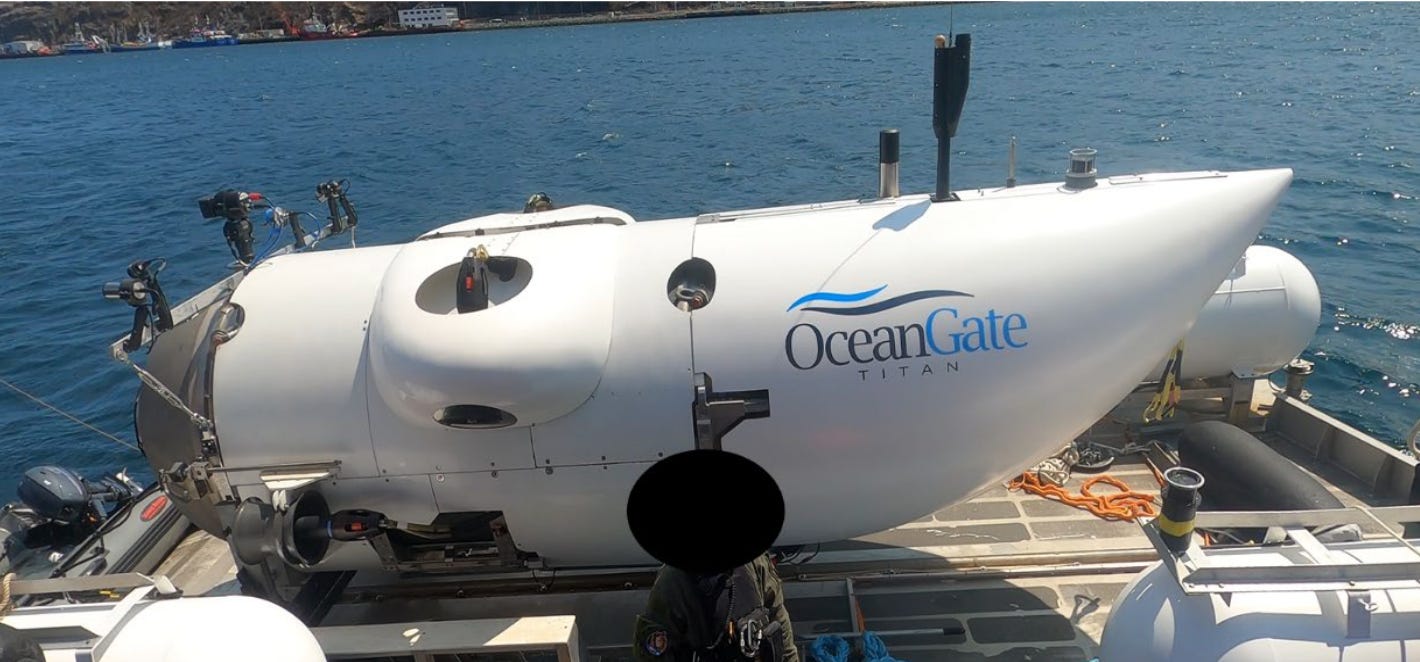
When OceanGate’s Titan submersible imploded more than 3,000 meters below the surface of the Atlantic Ocean back in 2023, the tragedy was almost impossible to wrap one’s mind around. Yet, as subsequent news stories and a new Netflix documentary make clear, the story of the Titan’s failure is not particularly unique. It’s actually an age-old story: a hubristic would-be titan of industry just cannot bring himself to accept his limits. Eventually, the limits catch up with him. And in this case, with four of his passengers.
That’s essentially the plot of “Titan: The OceanGate Submersible Disaster,” which debuted on Neflix in June. The film was directed by Mark Monroe, who is perhaps best known for his work as a producer on the 2017 sports-doping documentary “Icarus.”
The film is powerful because of the firsthand accounts of several former OceanGate employees. Over and over again, they tell the story of a chief executive, Stockton Rush, who refused to acknowledge critical safety concerns, even as a parade of engineers and executives quit or were fired after warning Rush that the submersible was likely to fail.
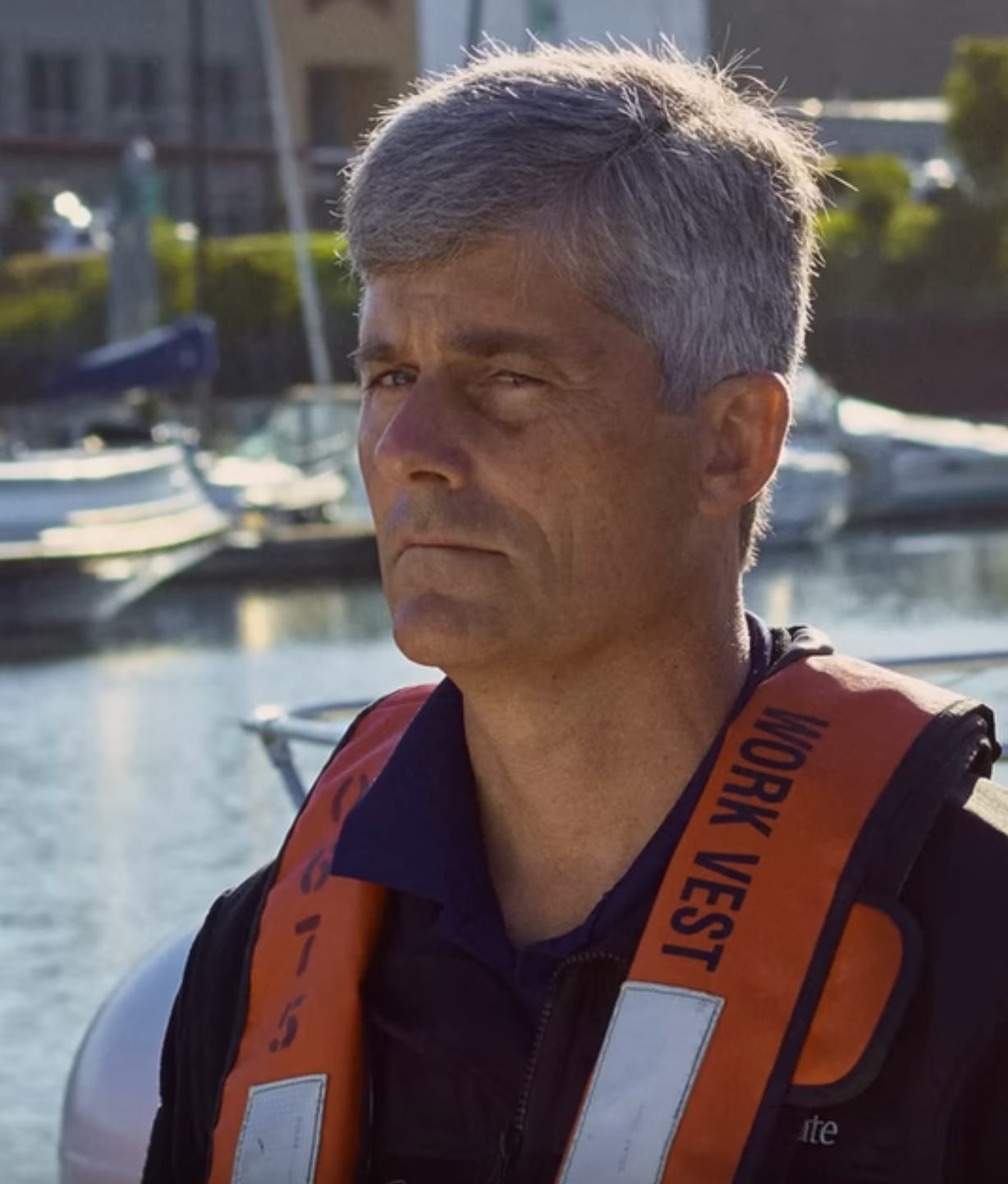
The documentary begins in the most ominous way possible. Rush, along with the veteran submarine pilot Paul-Henri Nargeolet, and three paying “mission specialists” are bolted into the submarine, about to embark on their journey to explore the ruins of the Titanic. Before the hull is sealed, Rush warns his passengers that they might hear alarms as the ship descends. If they do, he says, they should not be, uh… alarmed.
“So, if you hear an alarm, just don’t worry about it,” he says. “The best thing you can do is don’t do anything.”
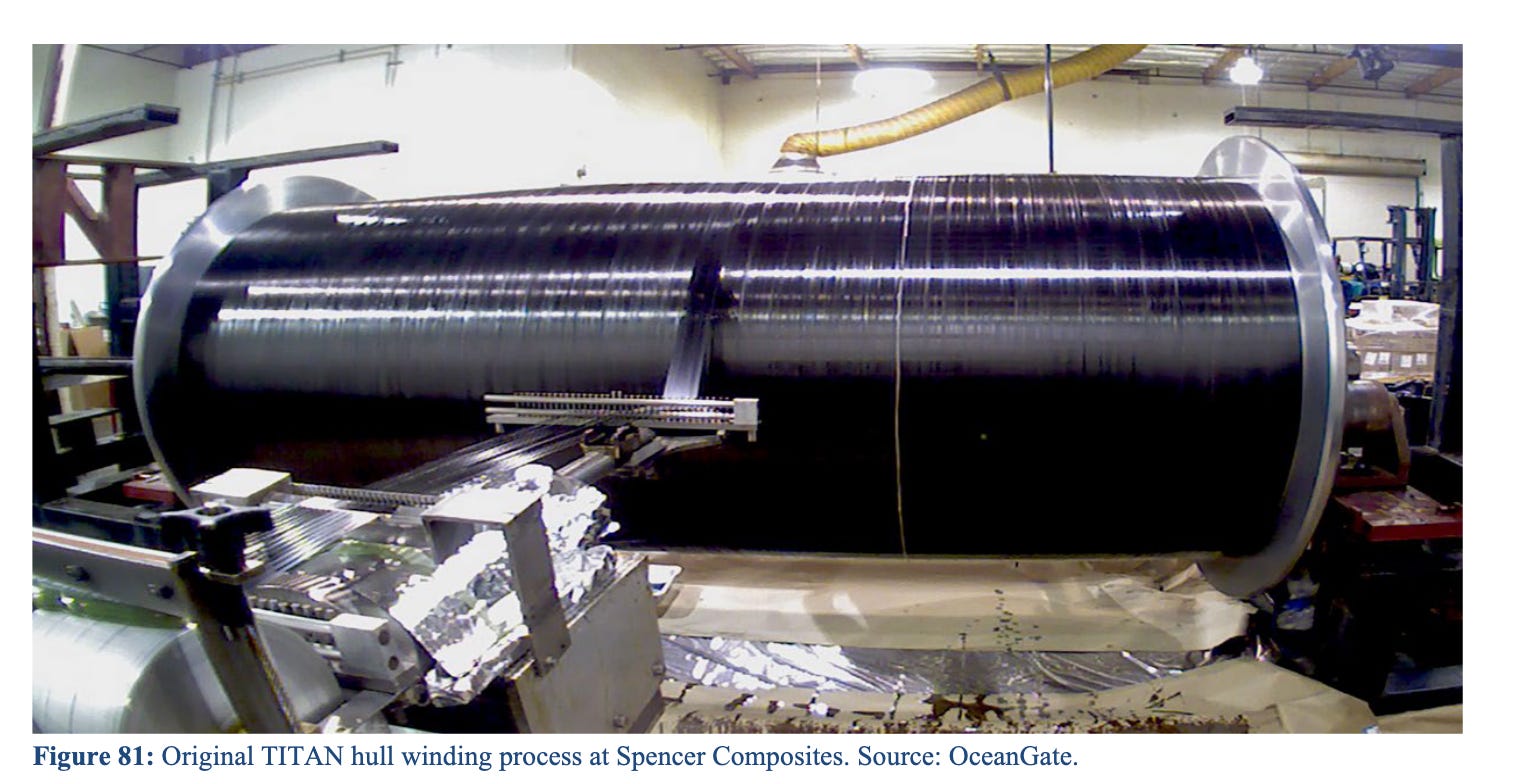
If Rush’s foolish disclaimer sets the tone for the documentary, the film’s heartbeat is the sound of carbon fibers popping on the ship’s hull, an ominous sign of the Titan’s looming destruction heard throughout the film. The ship’s hull was made of carbon fiber, a noel (and cheaper) material for such applications. Throughout the film, tests show that when the Titan (and models thereof) is lowered into the ocean, fibers start to snap, with a staccato mix of pops and blasts. The sound is audible because engineers installed an early warning system of sorts—a series of microphones around the hull that could sense breaks in the carbon fiber. The popping of one, two, or even 10 of the thin fibers was not necessarily a major concern. But the documentary shows how the popping got worse and worse as the submersible descended, foreshadowing its all-too-predictable demise.
I mentioned above that the paying passengers on the ship were referred to as “mission specialists,” a comically aggrandizing title for a passenger. The reason that term was used, a former staffer disclosed, is because marine regulations have strict rules for what passengers can and cannot be made to do; calling passengers “mission specialists” was Rush’s way around that regulation.
That’s not the only way Rush allegedly bypassed regulatory requirements. The submarine apparently was not flagged, theoretically putting it outside any country’s regulatory jurisdiction. It also was not “classed,” meaning it was not inspected by a third-party safety inspector. When a staff member quit and filed a whistleblower complaint, Rush allegedly told a colleague that it would be nothing for him to pay $50,000 to ruin the staffer’s life.
Rush, as we learn in the documentary, is born of generational wealth. It’s impossible to know how much Rush’s wealth influenced his’s leadership style, but the film makes a strong case that Rush loved the power associated with his wealth, and that he had insufficient faith in both safety regulations and in the laws of science itself. A Coast Guard report issued this summer after the film’s release lays the failure squarely at the feet of Rush, arguing that his management style and infidelity to safety protocols created a toxic—and ultimately deadly—workplace environment.
As easy as it is to fault Rush for his hubris, one must also acknolwedge that plenty of people with his same attitudes are, in fact, seen as successes in our society. The film suggests Rush wanted to be like Jeff Bezos or Elon Musk, and many of the criticisms leveled against Rush were similarly leveled against those two “titans.”
Yet, while Titan certainly takes Rush to task, it also highlights the dangers associated with a toxic work environment. Our society sometimes romanticizes the idea of the erratic, demanding boss; however, when an organization’s leadership is unwilling or unable to hear the concerns of its workers, its success will always be limited.